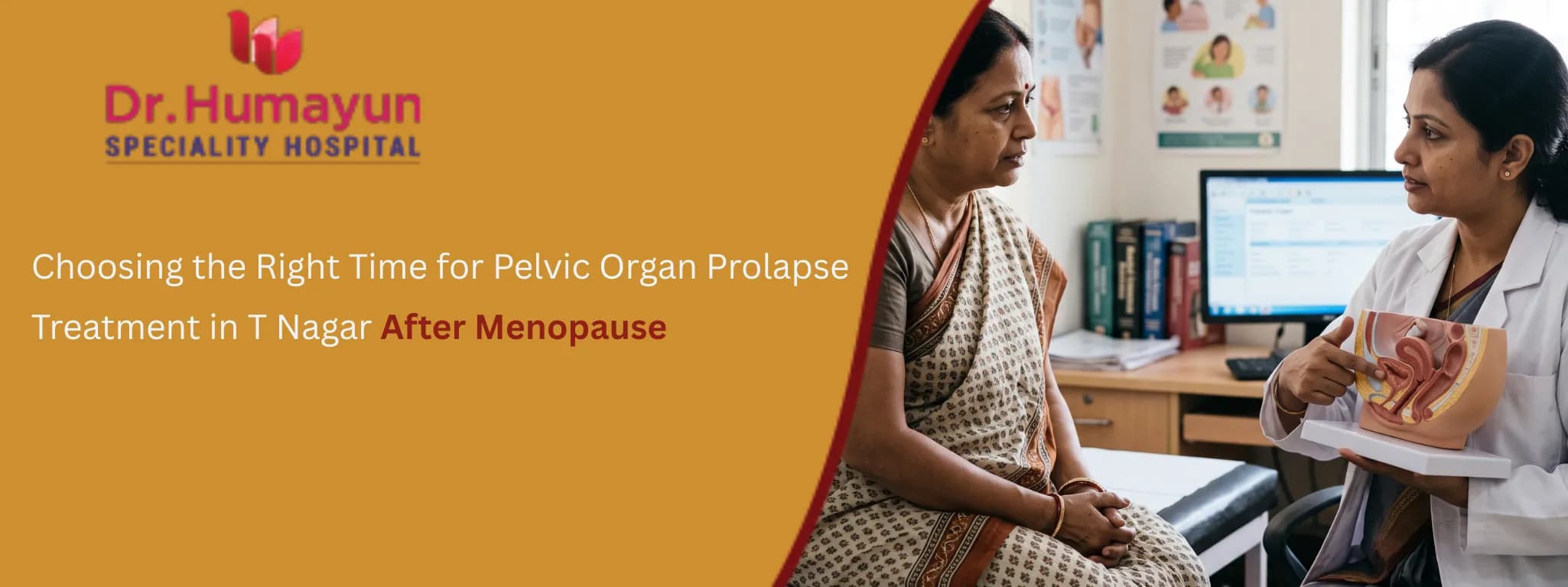

Pelvic organ prolapse (POP) is one of the most common gynaecological conditions affecting postmenopausal women, yet it remains among the most underreported. Many women attribute their symptoms to normal ageing or feel too embarrassed to raise them with a doctor. Others fear that treatment inevitably means major surgery. Neither assumption is accurate. As confirmed by NIH StatPearls (updated September 2025), management of pelvic organ prolapse is individualised based on symptom severity, compartment involvement, and patient goals. For postmenopausal women specifically, oestrogen decline after menopause weakens the pelvic floor support structures significantly, and the decision about when and how to treat depends on several factors that your gynaecologist will assess with you.
This guide explains what POP is, how menopause changes the picture, and what treatment options are available for pelvic organ prolapse treatment in T Nagar at Dr. Humayun Speciality Hospital.
What Is Pelvic Organ Prolapse and Why Does Menopause Matter?
Pelvic organ prolapse occurs when the muscles, ligaments, and fascia supporting the pelvic organs (bladder, uterus, rectum, and vaginal walls) weaken and stretch, allowing one or more of these organs to descend into or through the vaginal canal.
As confirmed by CU Anschutz Urogynecology, lack of oestrogen is a primary cause of menopausal pelvic organ prolapse. Oestrogen maintains the elasticity and strength of pelvic connective tissue. After menopause, oestrogen withdrawal causes progressive tissue thinning, reduced collagen production, and weakening of the structural support that holds pelvic organs in place.
This is why POP is significantly more prevalent in postmenopausal women. Risk factors that compound this vulnerability include:
-
Vaginal deliveries, particularly those involving prolonged pushing or instrument use
-
Multiple pregnancies
-
Obesity and chronic constipation (sustained increase in intra-abdominal pressure)
-
Heavy lifting or chronic cough
-
Family history of prolapse
Types of Pelvic Organ Prolapse
| Type | Organ Involved | Common Symptom |
|---|---|---|
| Cystocele | Bladder descends into anterior vaginal wall | Urinary urgency, incomplete bladder emptying |
| Rectocele | Rectum bulges into posterior vaginal wall | Difficulty with bowel movements, need to splint |
| Uterine prolapse | Uterus descends into or beyond vagina | Pelvic heaviness, visible bulge |
| Vaginal vault prolapse | Vaginal apex descends after hysterectomy | Pelvic pressure, urinary symptoms |
| Enterocele | Small intestine herniates into vagina | Pelvic fullness, worse with standing |
POP is staged using the POP-Q (Pelvic Organ Prolapse Quantification) system, from Stage 1 (mild, asymptomatic descent) to Stage 4 (complete prolapse beyond the vaginal opening). Stage and symptoms together determine the treatment approach.
Recognising the Symptoms
Because POP is a condition that worsens gradually, many postmenopausal women normalise their symptoms for years. Common presentations include:
-
A feeling of bulging, pressure, or something falling out at the vaginal opening
-
Pelvic heaviness that worsens by the afternoon and improves when lying down
-
Difficulty emptying the bladder or needing to change position to urinate
-
Urinary leakage or urgency
-
Difficulty with bowel movements, or needing to push the vaginal bulge inward to defecate
-
Reduced sensation or discomfort during intercourse
-
Lower back ache associated with prolonged standing
Not all of these symptoms require immediate treatment. But any symptom that affects daily function, sleep, or quality of life warrants a gynaecological assessment.
The "When to Act" Decision for Postmenopausal Women
One of the most important messages for postmenopausal women with prolapse is this: watchful waiting is clinically appropriate for Stage 1 and Stage 2 prolapse without significant symptoms. Prolapse that is not causing functional problems does not require surgery simply because it has been identified on examination. Treatment is indicated when:
-
Symptoms are affecting daily activity, exercise, sleep, or social life
-
Urinary or bowel function is impaired
-
The prolapse has reached Stage 3 or Stage 4
-
There is skin breakdown or ulceration of the prolapsed tissue from chronic exposure
The decision timeline also accounts for the patient's overall health, surgical fitness, and personal preferences. A 78-year-old woman with multiple comorbidities and mild prolapse requires a different conversation from a 55-year-old in good health with Stage 3 uterine prolapse.


Treatment Options: A Personalised Spectrum
Lifestyle Modification and Pelvic Floor Physiotherapy
All women with pelvic organ prolapse, regardless of stage, benefit from lifestyle changes. As confirmed by a 2024 real-world study published in PMC, all women received written recommendations about lifestyle changes including weight loss, smoking cessation, avoiding constipation, heavy lifting, and high-impact exercise.
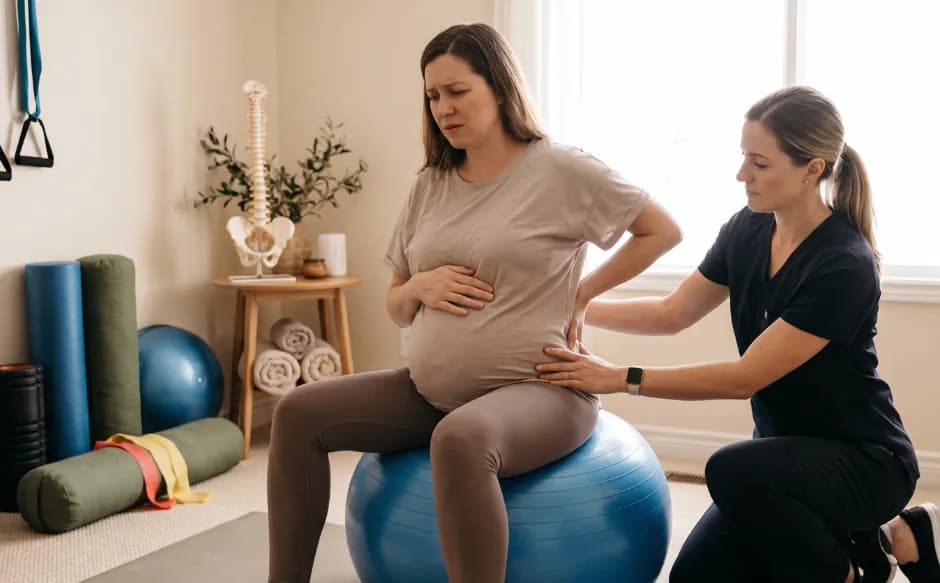
Pelvic floor muscle training (PFMT) strengthens the levator ani muscles that form the pelvic floor's primary muscular support. While PFMT cannot reverse established prolapse, it reduces symptom severity, slows progression, and in mild to moderate cases may reduce the need for other interventions.
Practical measures include:
-
High-fibre diet and adequate hydration to prevent straining
-
Avoiding heavy lifting and high-impact activities
-
Managing chronic cough where present
-
Weight loss in overweight women
Local Oestrogen Therapy
For postmenopausal women, topical vaginal oestrogen is recommended alongside all other treatment approaches. Low-dose vaginal oestrogen (cream, pessary, or ring) restores tissue thickness and elasticity, reduces discomfort from atrophy, improves the response to pessary fitting, and reduces the risk of skin breakdown in prolapsed tissue. It does not reverse established structural prolapse but improves the quality of the tissues involved.
Vaginal Pessary
A pessary is a silicone device inserted into the vagina to mechanically support the prolapsed organ. As confirmed by a 2025 narrative review published in the Journal of Clinical Medicine, pessaries serve as a first-line, non-surgical option for symptom relief, particularly among women who wish to avoid or delay surgery. Pessaries are an excellent choice for:
-
Women with significant symptoms but who are not surgical candidates due to health status
-
Women who prefer to avoid surgery
-
Women with Stage 3 to 4 prolapse who are awaiting surgical scheduling
Pessary fitting requires a trained gynaecologist and is followed by a review appointment to confirm comfort and position. Maintenance involves removal and cleaning every 3 to 6 months.
Surgical Treatment
Surgery is recommended for women with significant symptomatic prolapse who have not responded adequately to conservative management, or for Stage 3 to 4 prolapse where pessary management is insufficient. Available surgical approaches include:
-
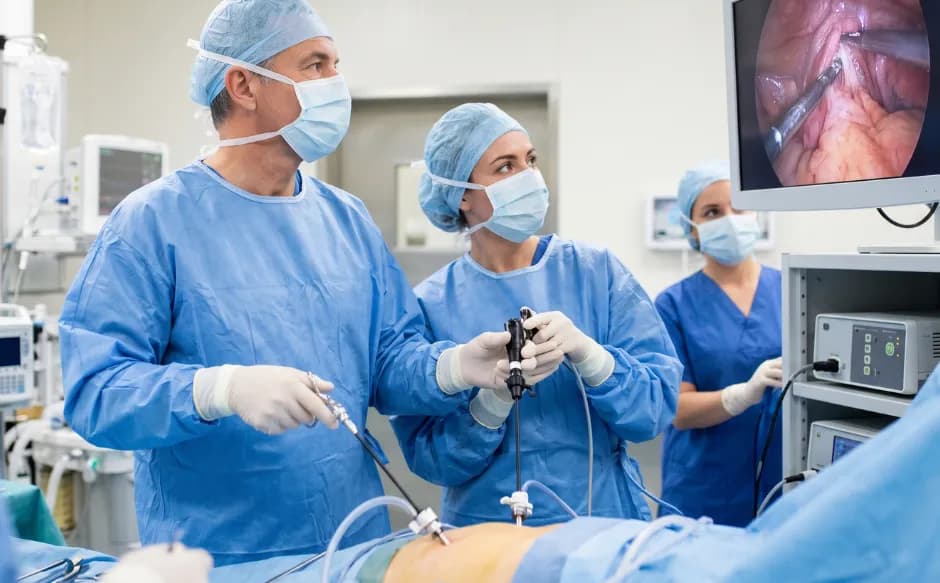
Sacrocolpopexy (laparoscopic or robotic): The gold standard for apical prolapse repair, attaching the vaginal vault to the sacrum using a mesh graft. Preferred for women who wish to remain sexually active. As confirmed in a 2024-2025 systematic review, laparoscopic sacrocolpopexy remains the reference procedure for advanced apical prolapse.
-
Native tissue repair (anterior/posterior colporrhaphy): Surgical repair using the patient's own tissue, addressing cystocele and rectocele. Appropriate for compartment-specific prolapse without apical involvement. Sacrospinous ligament fixation: Vaginal-approach apical repair using native tissue, suitable for women who prefer to avoid mesh.
-
Colpocleisis: A vaginal-narrowing procedure that permanently closes the vaginal canal, providing highly effective prolapse repair in older women who are no longer sexually active and who have significant surgical risk. A 2025 Cureus study confirmed the safety and efficacy of colpocleisis in elderly women.
Choosing the Right Timing: A Quick Reference
| Situation | Recommended Approach |
|---|---|
| Stage 1-2, minimal symptoms | Lifestyle changes, PFMT, observation |
| Stage 2-3, bothersome symptoms, fit for pessary | Pessary + local oestrogen |
| Stage 3-4, sexually active, surgically fit | Laparoscopic sacrocolpopexy |
| Stage 3-4, not sexually active, older age | Colpocleisis or native tissue repair |
| Any stage, unfit for surgery | Pessary + oestrogen, long-term management |
Pelvic Organ Prolapse Treatment in T Nagar at Dr. Humayun Speciality Hospital
At Dr. Humayun Speciality Hospital, pelvic organ prolapse treatment in T Nagar is available across the full spectrum of management options, delivered by an experienced gynaecology team that takes time to understand each woman's symptoms, health status, and personal priorities.
Services include:
-
Clinical POP-Q grading assessment and symptom evaluation
-
Pelvic floor physiotherapy referral and lifestyle counselling
-
Local oestrogen therapy prescription and monitoring
-
Pessary fitting, review, and long-term management
-
Laparoscopic prolapse repair including sacrocolpopexy and native tissue procedures
-
Colpocleisis for elderly or medically complex patients
-
Urinary incontinence evaluation when prolapse coexists with bladder symptoms
Experiencing pelvic pressure, bulging, or urinary symptoms after menopause? Chat with our medical care assistant for